Guest Column: A backroad journey through time
Moab on a mid-fall weeknight was full. All the motels, RV parks and tents sites had “no vacancy” notices. Every food provider from Denny’s to the organic, locally-sourced artisan places had limited hours and limited menus due to lack of staff or food shortages.
On the southernmost tip of Utah, things got worse. There was no avocado toast left at the Kanab Creek Bakery. At the news, vegans and foodies looked visibly wan. The staff feigned patience. I settled for coffee that oddly came from being roasted at the extreme north end of the state, in Logan, Utah.
This felt like what travel has become these days – lots of tourists, strained services, and everywhere, Help Wanted signs. And weekdays didn’t seem mainly for retired people. We got to Chaco Canyon National Park on a Tuesday afternoon, and the campground there was sold out.
Fall used to be shoulder, or at least elbow season; kids were back in school, people commuting to work, some campgrounds closed, and some attractions boarded up. In the few all-season campgrounds, you had your pick of sites. The pandemic problematic abnormal has changed that, and now there are rearrangements of everything everywhere.
Tanja, who spells it that way, let us in the Circleville, Utah, RV Park and Kountry Store for free. “It’s my campground and I can do what I want,” she said before making her rounds on her ATV.
The Cottonwood RV Park in Bluff, Utah, was not free and ready to close for the season. It’s near the Navaho Nation and many people were wearing masks. Nancy, the manager, tells us from a safe distance that she personally knew 40 people who died of COVID-19 in the in the last two years. She also gave us directions to the semi-secret petroglyph panels in Bears Ears National Monument; the same panels that the Friends of Cedar Mesa group would not mention.
Other things seemed normal. By the sounds of the accents on the sidewalks complaining about Utah coffee and liquor laws, European, Asian and Florida tourists appear to be back. Canadians were also back in their massive RVs, taking all our prime campsites and feasting on the cheap American electrical hook-ups at the RV resorts.
A lot of people bought a lot of decked-out adventure vans and pricey travel trailers during the pandemic, probably so they could have their own bathrooms. Whether they will be a passing pandemic fancy remains to be seen, but more people were taking to the back roads.
Travelers through the rural West could still find quirky or sacred things of more recent history than petroglyphs. I wanted us to visit the former mining town of Tonopah, Nevada, not least because it was the terminus of the country song “Willin’” - “Tucson to Tucumcari, Tehachapi to Tonopah” is one of its memorable lines.
Wandering among headstones, we realized that the current pandemic’s death toll had historic echoes of loss. Unlike most cemeteries, the one in Tonopah lists not just the year but also the cause of death. Historical society volunteers told us that although the tintype epitaphs are relatively new, they were reasonably accurate, based on death certificate records and the way death was described in the early twentieth century.
Cemeteries often tell fascinating stories; this one seemed to specialize in blunt facts about sudden deaths: A father died in a mine fire. His daughter, born two months later, died after one day. I can't imagine the grief of the widow and mother.
I don't believe in ghosts, just the bits of untold stories that leave you wanting more information. In another graveyard epitaph, "Life became a burden" was the only explanation for a woman’s death, the wording a euphemism for suicide a century or so ago. She was 30 and had come to the remote town from France. What was she doing in Tonopah and how did life become so brutal? Only ghosts know the true tale of these lives so quickly lived, just as quickly gone.
We moved on to another small town, wanderers through the West and its ever-repeating history.
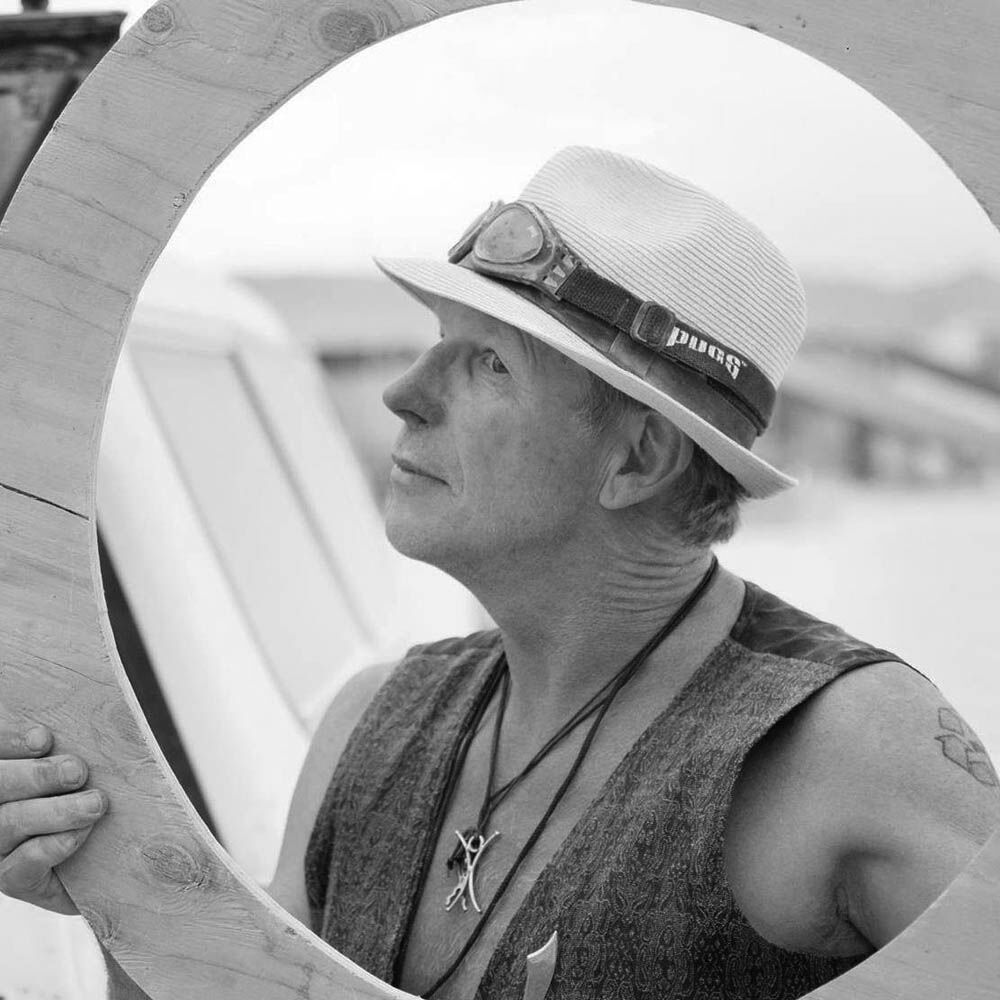
Dennis Hinkamp is a contributor to Writers on the Range, writersontherange.org, an independent nonprofit dedicated to spurring lively conversation about the West. He lives and works in Logan, Utah.